• Downloads
  • Contact Us
  • Directions
  • Deutsch Deutsch German de
  • English English English en
  • 简体中文 简体中文 Chinese (Simplified) zh-hans
Epitype GmbH
  • Products
  • About us
    • Management
    • Team
    • Research projects
    • Publications
    • Press
    • Jobs
  • Contact
    • Directions
    • Contact Us
  • News / Blog
  • Click to open the search input field Click to open the search input field Search
  • Menu Menu

oncgnostics at EUROGIN 2022

Blog
EUROGIN2022-oncgnostics

The EUROGIN is THE event for our current application areas and most of the experts were in Düsseldorf. So were we! With four presentations oncgnostics participated in the scientific discourse at the International multidisciplinary HPV Congress.

The congress was again a great opportunity for us to make new contacts, maintain existing partnerships and exchange ideas about possible new collaborations.

oncgnostics participates in the scientific discourse

Oncgnostics submitted four presentations in the run-up to EUROGIN 2022 and all four were accepted. After a long period of digital-only events, our team was looking forward to receiving direct feedback and exchanging ideas with international colleagues:


Dr Alfred Hansel, Managing Director:

“After two long years, we are present again, meeting competitors, cooperation partners, clinicians and scientists. We present our data, discuss them at our booth with all interested parties, also have conversations with chance meetings again.’


Dr Martina Schmitz, Managing Director:

“I had the impression that all participants were simply happy to be able to exchange information about the latest studies and results live again after 2 years of the pandemic. GynTect-PRO talk had a good response and our booth enjoyed great interest.”


Anna-Bawany Hums, molecular biologist:

“EUROGIN in Düsseldorf has already been worthwhile, as it is the first face-to-face event for me after two years. It’s fun to come into direct contact with interested people at the booth again, to meet existing cooperation partners and to exchange ideas about new projects.”


Carolin Hoyer, biotechnologist:

“EUROGIN was my first big conference and I had the opportunity to present my Master’s thesis there, listening to interesting talks and make friendly contacts.”

Contributions of oncgnostics GmbH at EUROGIN 2022

If you were not on site or would like to read the contents, you can download the respective short summaries of the presentations:

  • Dr Martina Schmitz: GynTect® DNA methylation marker – longitudinal observational study in patients with CIN2/3. Results from the GynTect-PRO trial
  • Dr Alfred Hansel: Assessment of DNA methylation markers for the detection of VIN, VAIN and vulva or vagina carcinoma
  • Anna-Bawany Hums: Clarification testing/triage of women tested HPV DNA-positive in cervical cancer screening using a DNA methylation marker-based test as well as an HPV mRNA test
  • Carolin Hoyer: Promising epigenetic biomarkers for improved detection of head and neck cancer in non-invasive specimen

 

25. April 2022/by Admin Spinger
https://www.epitype.de/wp-content/uploads/2022/04/Blog_EUROGIN2022-1.jpg 321 845 Admin Spinger https://www.epitype.de/wp-content/uploads/2025/09/epitype_website-logo-300x130.png Admin Spinger2022-04-25 11:13:142023-07-04 10:24:00oncgnostics at EUROGIN 2022

Oncgnostics receives award: Germany’s most innovative companies

Blog
Germany's most innovative companiesShutterstock.com/BB DESIGN STOCK

The business magazine Capital selected Germany’s most innovative companies for the third time. Oncgnostics GmbH made it into the selection. The biotech company scored particularly well in the evaluation criterion of innovation areas.

For the third time, Capital, together with the market research institute Statista, determined Germany’s most innovative companies. For this purpose, they brought around 3,600 innovation experts on board. In a first step, they recommended companies and gave their assessment. In addition, the experts were able to add to their list from 40 innovation competitions of the last three years. The expert assessment covered the areas: “products and services”, “processes” as well as “cultural and social innovations”. Subsequently, 9 categorised reasons for recommendation were assessed. “Regularly delivers innovative products” or “has installed innovation-promoting business processes” are examples of recommendation reasons. The partial results were finally transferred into a 5-star scheme. In total, the experts scrutinised 2061 companies from 20 different sectors. 470 companies received a rating of four or five stars.

Germany’s most innovative companies: oncgnostics gets four stars

oncgnostics received five stars in the innovation category and a proud overall rating of four stars in the “Chemicals, Pharmaceuticals & Biotechnology” sector. In addition, the biotechnology company was identified as a company with a particularly technologically relevant patent portfolio.

List of the most innovative companies

The results of the ranking can be viewed online at Capital.de. We are listed under the 3rd category “Chemistry, Pharmaceuticals & Biotechnology” as one of 8 of the most innovative companies with < 250 employees. You can read all about our innovative product GynTect®, the test for cervical cancer, at www.gyntect.com. You can also find out about our research projects and pipeline products at www.oncgnostics.com.

Cover picture: Shutterstock.com/BB DESIGN STOCK

17. March 2022/by Admin Spinger
https://www.epitype.de/wp-content/uploads/2022/02/Innovation_Blog_EN.jpg 321 845 Admin Spinger https://www.epitype.de/wp-content/uploads/2025/09/epitype_website-logo-300x130.png Admin Spinger2022-03-17 10:52:202023-07-04 10:25:16Oncgnostics receives award: Germany’s most innovative companies

A startup turns 10 – oncgnostics grows with its employees

Blog
Ein Startup wird 10 Jahre alt - oncgnostics wächst mit seinen Mitarbeiterinnenoncgnostics GmbH/Eberhard Schorr

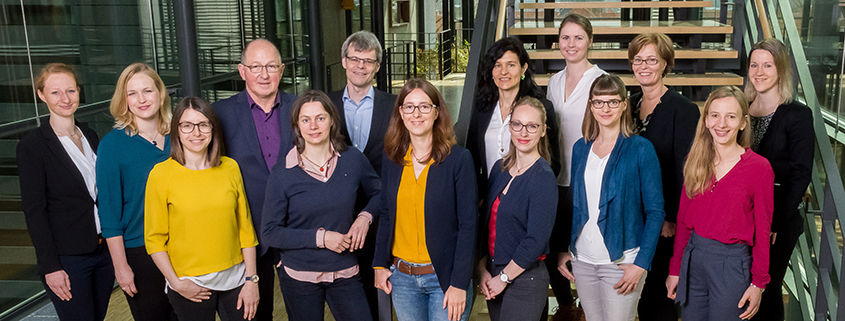
10 years ago a small, very motivated team founded the oncgnostics GmbH to improve cervical cancer screening. Since then, oncgnostics GmbH has been growing and with it the number of its employees. On the occasion of the anniversary, it is time to share the experiences of the employees of the biotech company.

10 years of oncgnostics – employee from the very beginning

Production manager Dr. Juliane Hippe, head of production, has been with the company from the very beginning. Already as a student she joined the Gynaecological Molecular Biology work group of the Department of Gynaecology and Reproductive Medicine of the Jena University Women‘s Hospital. When oncgnostics GmbH emerged from the working group, the biologist was pleased to receive her first employment contract, a PhD fellowship. In addition, Dr. Juliane Hippe completed her doctorate at the start-up thanks to this fellowship: “I was able to develop steadily at oncgnostics GmbH. In the meantime, I am production manager, but also active in the fields of development as well as quality management.”

Development opportunities at oncgnostics GmbH

Oncgnostics gives its employees room to develop. Dr. Carolin Dippmann was also able to convince through her doctorate at oncgnostics GmbH, also made possible through a PhD fellowship. Nowadays, the Pharma-Biotechnologist is a permanent team member. Now she supervises students herself in their final theses and is responsible for the implementation of new methods in the laboratory. “My greatest motivation is the team, the individuality of each person and how it fits together perfectly to form a whole. I am also motivated by the feeling that our work is making an important contribution within the field of cancer diagnostics,” says Dr. Dippmann, summarizing the motivation behind her daily work as an important member of the Research and Development department.

Likewise, Kristin Knoll completed her master thesis at oncgnostics: “From master’s student to application specialist and head of customer management – I have been able to gain a lot of experience in my almost nine years at oncgnostics. When I look back to the beginning, I am happy to have been involved in product development and also in the growth of the entire company. Constructive criticism and suggestions for improvement are welcome here – that’s how we shape the company together,” says the pharma biotechnologist regarding her career at oncgnostics GmbH.

oncgnostics employees show initiative

Through initiative, the employees of oncgnostics GmbH not only develop further, but most of them joined the team in the first place. Among them Dr. Anne Hennig, who applied on her own initiative: “The role of project manager as well as the management of a research project was awarded to me after a short time.” She draws her motivation from the “fact that you can make a difference with your daily work.”

Master’s student Carolin Hoyer was also successful with her unsolicited application. For her, it is important to “complete my pharma biotechnology studies with practical experience and an exciting project.” These criteria could be met by oncgnostics GmbH.

A varied workplace

The biotech company offers its employees a varied workplace. Anna Bawany Hums, a research assistant, appreciates this: “Even with a lot of office work, I still slip into my lab coat every now and then. There are no rigid structures here. In addition, the working atmosphere is characterized by appreciation.” Technical assistant Kristina Wunsch sees it the same way: “Interpersonal relationships are very important here. There is a considerate way of working together.”

Kristin Knoll, among others, was able to leave her desk behind a few times. As an applications specialist, she has been able to travel to countries such as Portugal, Denmark, Sweden and Azerbaijan. “When time permits, it’s especially nice to catch a few cultural impressions of cultures I’m unfamiliar with,” she says. In addition, the staff members regularly present the current state of their research at various national as well as international congresses.


17. March 2022/by Admin Spinger
https://www.epitype.de/wp-content/uploads/2022/03/oncgnostics_Team_web.jpg 321 845 Admin Spinger https://www.epitype.de/wp-content/uploads/2025/09/epitype_website-logo-300x130.png Admin Spinger2022-03-17 08:54:412022-03-17 08:54:41A startup turns 10 – oncgnostics grows with its employees

Third Generation Sequencing: Detecting cancer at DNA level

Blog
Third Generation SequencingStudio Beetz

Dr. Carolin Dippmann and Daria Meyer from our research and development team work, among other things, with the “third-generation sequencing” method. With the help of this technology, they are examining DNA (deoxyribonucleic acid) from tumors much more precisely than was previously possible.

The method has enormous advantages: epigenetic changes in the DNA, specifically DNA methylation in certain regions, tell us when healthy cells develop into cancer. And with “third generation sequencing” we can detect these changes directly.

Our goal at oncgnostics is to detect such epigenetic markers. Especially in the early detection of head and neck tumors, development is still in its infancy. In various research projects, including the OroCa-Graz study, we are working together with clinicians on a standardized screening to detect the associated diseases earlier and more reliably than before.

In the following, the two scientists explain to what extent third-generation sequencing is being used and what exactly is behind it.

How does Third Generation Sequencing work?

Part of our daily work is to screen DNA fragments for epigenetic changes, specifically DNA methylation. DNA methylation at specific base sequences indicates that the cell in question has changed.

Third generation sequencing is a method that makes these analyses faster and more effective. In addition, the method provides the DNA sequence information in very high resolution: namely, individual DNA molecules are analyzed. The biological DNA is transferred into a digital version and can be analyzed on the computer. DNA methylation, which occurs during cancer development, can be analyzed directly. And this is of particular interest to us.

The process is illustrated in a video from “Oxford Nanopore Technologies” on YouTube.

How does the method differ from previous methods?

With previous sequencing methods, we could only determine the base sequence of short DNA fragments (300 DNA bases on average). In addition, the DNA to be examined had to be copied several times in advance, very similar to the so-called PCR method explained here. In addition, the DNA had to be chemically treated to detect DNA methylation.

The Third Generation Sequencing method simplifies this process:

  • We can directly evaluate DNA molecules of up to several million DNA bases in length
  • No copies are necessary for this. Rather, we evaluate the individual DNA sequences directly
  • The speed with which we examine the sequences increases accordingly: We now collect the data in real time

What kind of data do we get?

The bottom line is that the Third Generation Sequencing method captures changes in current and records them digitally. It works like this: The DNA to be examined is placed on a surface that is under a specific voltage. Tiny pores made of proteins are embedded in this surface. During the process, the DNA migrates, always in the same direction, through these so-called nanopores. This is why the method is also called “Oxford Nanopore Technology” (ONT).

When the DNA migrates through a pore, the current intensity on the surface changes. This is due to the spatial arrangement and chemical properties of the DNA segments. Sensors measure these changes at each individual pore and transmit them to the computer connected to each. An algorithm then translates the information into the base sequence of the DNA. In the sequence recorded we also read the DNA methylation.

Are there any other advantages or disadvantages?

Since the method is still very new, it has a fairly high error rate. Currently, it recognizes only 95 percent of all sequences without errors. With other methods, the figure is 99.9 percent. Continuous developments will improve this over time. Daria Meyer’s work is part of this. She is a bioinformatician and, as part of her PhD thesis, she focuses on improving the algorithms that are essential for analyzing DNA methylation. In addition, we are constantly optimizing the process flows in the preparation of diagnostic samples. That is Carolin Dippmann’s focus in the project.

In fact, the advantages outweigh the disadvantages. One of the reasons for this is that the analyzer is barely larger than a USB stick and therefore super handy. Theoretically, sequencing can be carried out anywhere, from the Arctic to the desert.

What is our future benefit from Third Generation Sequencing?

With the help of ONT sequencing, major gaps in our knowledge of the human genome (the entire DNA sequence of a human being) have already been closed. We expect further developments in this area. And we are happy contribute to improving the technology.

The biggest advantage for us is the direct readability of epigenetic changes, i.e. DNA methylation. We can analyze these directly at our facility.

The method is gaining acceptance in more and more areas of application. This is not least due to the fact that the initial equipment for starting sequencing projects is very inexpensive. Sequencing of this quality is thus much more affordable. This means that small companies like oncgnostics can also utilize this technology.

31. January 2022/by TowerPR
https://www.epitype.de/wp-content/uploads/2022/01/220110_Third_Generation_Sequencing.jpg 321 845 TowerPR https://www.epitype.de/wp-content/uploads/2025/09/epitype_website-logo-300x130.png TowerPR2022-01-31 10:41:062022-01-31 10:41:06Third Generation Sequencing: Detecting cancer at DNA level

That was 2021 – and here’s what happens next

Blog
Eindrücke vom Jahr 2021 bei der oncgnostics GmbH

We look back on the milestones of 2021 – and forward to upcoming projects.

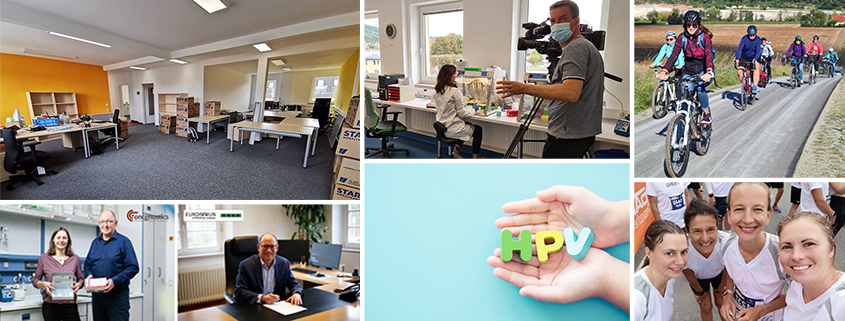
In May, we moved the entire company within Jena, thus gaining space for more office workspace and a better layout of the labs. Recently, our team grew by one colleague, so that we are now 18 people.

One of the reasons for this was the sales partnership with EUROIMMUN. With our new cooperation partner, we are initially launching GynTect in Portugal, Italy, Turkey, Poland and Canada, with further markets under discussion. Meanwhile, our Spanish partner NIMGenetics aims to expand sales to Brazil and Mexico.

With more personnel and more space our production and QM department is well prepared for the growing international demand.


Studies for the diagnosis of head and neck tumors and cervical cancer

Together with the clinical department for general ENT at the Medical University of Graz, we have been conducting research since April as part of the “OroCa-Graz” study to improve and speed up the diagnosis of head and neck tumors.

In addition, we evaluated further results of the GynTect Pro study. The three-year follow-up study included 60 young female patients having a negative GynTect test after an abnormal gynecological finding.

With this study we want to show that these women do not develop cervical cancer despite their abnormal gynecological findings, but that the cell changes heal on their own. We are currently looking at individual follow-ups in more detail and are preparing a publication of the study results.

Continuation of the study on self-sampling: simplifying cancer screening and reaching non-attendees

Following the successful pilot study on cervical cancer screening using samples taken by patients themselves, we continue on this topic in a larger scale. Hannover Medical School is contacting 20,000 randomly selected women from the Hannover region.

They will be given one of three possible options for taking a sample: a special cup for collecting urine or one of two possible self-smear kits. For all women who test positive for HPV, we use GynTect to check whether the self-collected sample indicates that cervical cancer could develop. All HPV-positive women are also referred to the clinic. The aim is to make screening easier in the future.

Participation in conferences

In 2022, we hope to show personal presence in various conferences again. We plan to attend EUROGIN in Düsseldorf as well as the German Cancer Congress in Berlin. At MEDICA, for example, we hope to be able to exchange ideas with representatives of the industry in person again.

6. January 2022/by TowerPR
https://www.epitype.de/wp-content/uploads/2021/12/211216_Banner.jpg 321 845 TowerPR https://www.epitype.de/wp-content/uploads/2025/09/epitype_website-logo-300x130.png TowerPR2022-01-06 11:40:582022-01-06 11:40:58That was 2021 – and here’s what happens next

Ovarian cancer: The silent danger

Blog
EierstockkrebsShutterstock

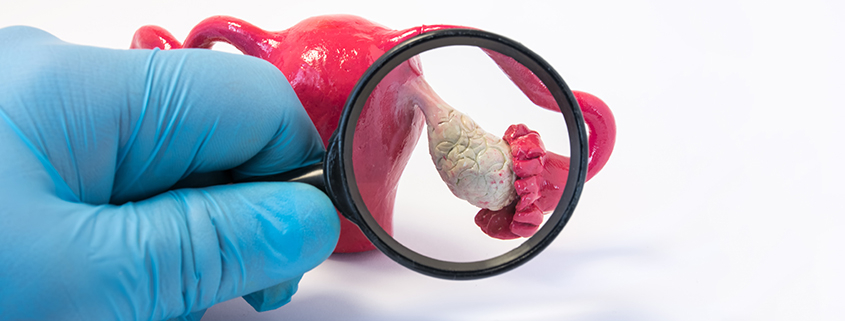
Every year, about 7,300 women in Germany are diagnosed with ovarian cancer (ovarian carcinoma), and more than 5,000 die of the consequences. This means that one in 72 women will be diagnosed with ovarian cancer at some point in their lives. In those affected, cells on one or both ovaries change malignantly and begin to grow uncontrollably. Since there is a lot of space around the ovaries where the cancer that develops in this way can spread, many women only notice the disease late. With nasty consequences.

Who is affected?

The risk of an ovarian tumour increases with age. Ovarian cancer occurs more frequently after the age of 50. On average, those affected are 69 years old when they are diagnosed. In addition to higher age, obesity is also an ovarian cancer risk factor.

In addition, the disease can be hereditary and occur more frequently in a family (so-called familial ovarian cancer). Special attention is therefore required if there are known histories of ovarian or breast cancer in the direct family.

Other causes for ovarian cancer may include hormone replacement therapy during the menopause. Women who undergo such treatment are more likely to develop ovarian cancer. However, the risk decreases again if the hormones were taken at least ten years ago.

Women who have had children are also less likely to get ovarian cancer. This also applies to those who took the contraceptive pill or breastfed at least one child during their childbearing years.

Symptoms of Ovarian cancer is often noticed late

Because of their location in the abdominal cavity, ovarian tumours have plenty of room to grow unnoticed. This is why those affected usually have no complaints for a long time.

Suspicious circumstances can be

  • Bleeding outside the menstrual cycle or after the menopause.
  • A larger abdominal girth without gaining weight
  • Bloating, flatulence or abdominal pain, as well as unusual digestive problems that are accompanied by a worsened general condition.
  • Urinating more frequently than normal

If you have any of these symptoms and they persist over a long period of time, you should seek medical advice.

Suspected ovarian cancer: examination and treatment

If a tumour is suspected on the ovaries, they are palpated in a gynaecological examination. In addition, an ultrasound examination through the vagina is often offered. The hit rate here is critical, as tumours cannot be distinguished from other cysts in the ultrasound. If a tumour is nevertheless discovered in the ovaries, its stage determines the further treatment.

According to the FIGO classification (International Federation of Gynecology and Obstetrics), ovarian cancer is divided into four stages:

  • I: The tumour affects one or both ovaries.
  • II: The cancer spreads into the pelvic cavity.
  • III: Outside the pelvis, cancer cells are found in the abdominal cavity or lymph nodes.
  • IV: Tumour cells have spread to other parts of the body outside the abdominal cavity.

Because of the unclear symptoms of ovarian cancer, the disease is often not recognised until stage III or IV. If possible, the treating doctors remove the ovarian carcinoma completely in an operation. This is almost always followed by chemotherapy.

Ovarian cancer diagnosis: good chances of cure if detected at early stage

If diagnosed at an early stage, the chances of cure in the ovarian cancer treatment are relatively good. The relative survival rates after five years are 89 percent in stage I and 77 percent in stage II. The more advanced the tumour, the worse the chances of cure. If the tumour recurs despite surgery and chemotherapy, the disease can no longer be cured, but only treated palliatively.

Good post-treatment care is therefore very important. The actual treatment is followed by close monitoring with regular examinations. Psycho-oncological care or rehabilitation measures can also be useful.

Research project on early detection

At present, there is no special screening test for the early detection of ovarian cancer. In a cooperation with the gynaecological clinic of the University Hospital in Jena, we are researching to find suitable tumour markers for ovarian cancer for improved diagnostics. The aim is to detect the disease earlier and thus increase the chances of cure.

Ask a doctor you trust.

The contents presented here are intended solely for neutral information and general further education. It does not constitute a recommendation or advertisement of the diagnostic methods, treatments or medicines described or mentioned. The text does not claim to be complete, nor can the topicality, accuracy and balance of the information presented be guaranteed. The text is not intended to be a substitute for professional medical advice and should not be used as a basis for independent diagnosis and initiation, modification or cessation of treatment of any disease. If you have any health questions or complaints, always consult a doctor you trust!


Literature sources

National Health Service Great Britain (2020): Cancer of the ovaries. www.nhs.uk/conditions/ovarian-cancer

American Cancer Society: Ovarian cancer survival statistics. www.cancerresearchuk.org/cancer-statistics

Center for Disease Control: Ovarian Cancer Statistics. www.cdc.gov/cancer/ovarian/statistics

Zentrum für Krebsregisterdaten (2017): Eierstockkrebs (Ovarialkarzinom). www.krebsdaten.de/Eierstockkrebs

Universitätsklinikum Tübingen: Eierstockkrebs – der stille Feind. www.medizin.uni-tuebingen.de/expertentipps/krebsvorsorge/eierstockkrebs

Deutsches Krebsforschungszentrum (2020): Eierstockkrebs (Ovarialkarzinom). www.krebsinformationsdienst.de

Deutsche Krebsgesellschaft (2018): Eierstockkrebs: Basis-Infos für Patienten und Angehörige. www.krebsgesellschaft.de

27. October 2021/by TowerPR
https://www.epitype.de/wp-content/uploads/2021/10/210318_Eierstockkrebs_Shutterstock_720850753.jpg 321 845 TowerPR https://www.epitype.de/wp-content/uploads/2025/09/epitype_website-logo-300x130.png TowerPR2021-10-27 08:00:392021-10-29 16:56:45Ovarian cancer: The silent danger

Epigenetic markers – definition and significance for early cancer detection

Blog

As a biotechnology company, we have been researching cancer diagnostics on a molecular basis since 2012. We deal with epigenetic markers, which help us to recognise cancers, such as cervical cancer, in their preliminary stages. In this article, we explain the terms “epigenetics” and “epigenetic marker”.

Epigenetics – what is it?

Epigenetics deals with the heritable, genetic modification of DNA. This happens without the DNA changing within its sequence. The term is composed of two parts: “epi” is Greek for “to” or “above” and “genetics”. Accordingly, epigenetics deals with the level above genetics. For our work, this means that we do not devote ourselves to the DNA sequence that is crucial for coding the genes. Rather, we focus on the chemical change of DNA.

In order to understand what that means, one thing is important to know: Every person has a genome, but many epigenomes – depending on the cell type. The epigenomes, in turn, are influenced and changed by the environment, living conditions or eating habits. Like switches of a cell, they determine which genes or gene segments are used and which are switched off. This explains, for example, why identical twins look different in nuances. Or why only one sibling gets a disease even though both are genetically identical. So-called epigenetic markers are responsible for this at the molecular biological level.

Epigenetic markers show when genes are turned on and off 

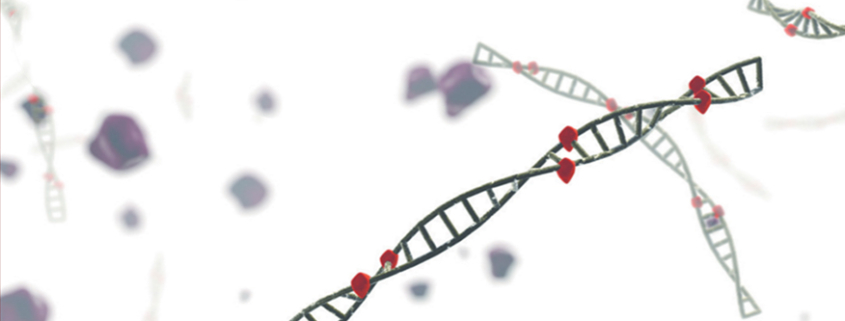
Let us stick to the image of the epigenome as a switch that silences parts of a genome. The epigenetic markers are therefore the markings that determine the exact section to be silenced. This takes place, among other things, in the form of methylations. Small molecules, so-called methyl groups, dock to a strand of DNA within the epigenetic marker regions. They prevent a neighboring gene sequence from being read and translated into a protein. The gene segment remains silent.

Epigenetics and cancer

Certain characteristics of the epigenetic changes described above can reprogram the function of cells so that they develop into tumor cells. This is how, for example, cervical cancer develops.

And this is where our research begins. We identify epigenetic markers that occur in cancer, specifically DNA methylation. Our tests should be able to detect these markers as early as possible. Because for every cancer therapy, the sooner it starts, the higher the chances are for a recovery. Our first diagnostic test GynTect® is based on six of these DNA methylation markers. It is already being used successfully in cervical cancer screening.

12. August 2021/by TowerPR
https://www.epitype.de/wp-content/uploads/2021/08/210804_BildZelleEpigenetic_Blog.jpg 345 876 TowerPR https://www.epitype.de/wp-content/uploads/2025/09/epitype_website-logo-300x130.png TowerPR2021-08-12 09:18:052021-08-12 09:27:37Epigenetic markers – definition and significance for early cancer detection

Step USA – our virtual business trip

Blog
Step USA

What has to be considered if you want to start as a German biotech company on the American market? What are the legal bases and challenges there? We got an insight at the “Step USA Virtual” from June 28th until July 1st, 2021.

The four-day startup boot camp took place in New York and, due to Corona, virtually for us. Step USA was launched in 2014 by the German American Chamber of Commerce New York (GACC NY) and is organised together with the Frankfurt Main Chamber of Industry and Commerce, the TechQuartier, the Hessian Ministry of Economics, Energy, Transport and Housing, the Start Hub Hessen, the Stiftung für Technologie, Innovation und Forschung Thüringen (STIFT) and the holding company of Thuringia, bm|t. Around 40 German companies from various sectors took part, 12 of them from Thuringia. In addition to Dynamic42 GmbH, c-LEcta GmbH and others, we were among the companies selected from the bm|t portfolio.

Business culture, legal situation, immigration: How does it work in the USA?

As part of this intensive program, we got to know numerous American industry experts, mentors and investors. They advised us on US business culture, corporate marketing, raising capital, and immigration policies. The legal and tax issues were particularly interesting for us, because they form the basis for our planned market entry.

In addition to theoretical workshops, we were trained in storytelling. The business language in Germany sometimes differs greatly from the American one. Considering investor pitches in particular, it is important to know how to communicate business models convincingly in the respective culture.

A special highlight was the session with Susan Lindner on the subject of “Powerful Messaging & Storytelling”. Susan explained in an interactive way that representation plays an important role in sales. Above all, the advantages for the buyer should be emphasised more than the advantages of one’s own product.

Our personal conclusion

The four days were very informative and we learned a lot about the American corporate culture, especially for our industry! We would like to thank Andrea Diewald and Irene Fuchs from the German-American Chamber of Commerce for organising this great program.

Nevertheless, of course, a digital trip does not replace the on-site event: In autumn, the Step USA program will take place in New York again – we hope we then can be there in reality.


9. July 2021/by TowerPR
https://www.epitype.de/wp-content/uploads/2021/07/210706_Step-USA_WP.jpg 836 2014 TowerPR https://www.epitype.de/wp-content/uploads/2025/09/epitype_website-logo-300x130.png TowerPR2021-07-09 09:01:152021-07-09 09:09:37Step USA – our virtual business trip

Positive HPV test: What now?

Blog
Frauenärztin führt HPV-Abstrich durchShutterstock / Image Point Fr

Since the beginning of 2020, when early cervical cancer screening in Germany was supplemented by a routine HPV test for women over 35, more people have been confronted with a positive test result. First, it is important to mention: This is not a reason to panic. A positive HPV test result is not to be equated with a precancerous stage or even cancer. Rather, most sexually active people become infected with human papillomavirus (HPV) at least once in a lifetime. In 90 percent of all cases, the infections heal on their own. If an HPV test is positive, this does not directly require a complex treatment. At first, only the control rhythm changes: Instead of three years, another HPV smear is carried out after twelve months. The first thing to do is to keep calm. (We’ll discuss how to get certainty quickly at the end of the blog post).

What does HPV positive mean?

A positive HPV test indicates a clinically relevant HPV infection on the cervix. This is associated with an increased risk of developing a tissue modification. These changes develop very slowly and over the years. A one-time positive HPV test therefore says nothing about cancer – it only detects a virus infection1.

If a renewed HPV smear is also positive after one year, a so-called colposcopy follows within three months. A special magnifying glass is used to clarify whether there are any changes in the tissue2.

In around ten percent of those infected, the body cannot successfully fight HPV on its own. Accordingly, tissue changes may develop that correspond to precursors of cervical cancer or may develop in the course of cancer3. In numbers, in Germany this applies to 4,500 people out of up to 500,000 who receive a conspicuous test result every year. It is therefore important to take precautions.

Differentiation between high and low risk HPV types

Over 200 different HPV types are now known. Cervical cancer or genital warts are caused by around 40 HPV types. They are divided into two categories4:

  • The low-risk types can cause bothersome and recurring genital warts. These can be treated well with various treatment options (e.g. ointments, icing, laser therapy).
  • If one of the high-risk types is detected, regular follow-up checks for cell changes are essential. The high-risk HPV types can lead to cancer, especially on the cervix. In addition, they are a possible trigger for head-and-neck tumors.

In general, it should be noted that an HPV infection itself cannot be treated. However, the respective effects should be kept in mind and tissue changes should be treated.

HPV: Partnership not necessarily affected

The initial diagnosis of an HPV infection as part of the new preventive care system often raises questions. Since regular tests for HPV in men are not currently planned, infections are primarily detected by cancer screening in women. It is important to know that the infection may have been present for many years or decades. No test procedure can answer the question of when an infection occurred. It also plays no role in the course of the normally harmless infection. The question of who infected whom in a partnership is also difficult to clarify. This is because the virus is widespread in the population as a whole. Accordingly, HPV might be noticed despite a firm partnership.

In new partnerships, the risk of infection can be reduced, for example, by using condoms during sexual intercourse. Another preventive measure is to be vaccinated against various cancer-causing HPV types5.

Quick certainty through GynTect

Of course, the waiting time between the check-ups can be stressful. A study co-authored by our managing directors Dr. Alfred Hansel and Dr. Martina Schmitz showed that the psychological stress involved in cervical cancer screening can even lead to signs of post-traumatic stress disorder6.

In order to resolve these unclear situations as quickly as possible, we have developed GynTect. The molecular biological cervical cancer test is able to detect cancer in its preliminary stages. A smear at the gynecologist is sufficient for the test.


[1] Projektgruppe ZERVITA (Hrsg.): HPV-Test.

[2] Deutsches Krebsforschungszentrum (DKFZ) (2021): HPV-positiv: Was nun?

[3] bis [5] Dr. med. Katharina Anstett (2020): HPV-Nachweis (Positive Testung auf ein Humanes Papillomavirus).

[6] Jentschke, M., Lehmann, R., Drews, N., Hansel, A., Schmitz, M., Hillemanns, P. (2020): Psychological distress in cervical cancer screening: results from a German online survey. Archives of Gynecology and Obstetrics, 3/2020, 699-705.


Picture: Image Point Fr / Shutterstock.com

1. July 2021/by TowerPR
https://www.epitype.de/wp-content/uploads/2021/06/2100624_HPV-Test_Shutterstock.jpg 321 845 TowerPR https://www.epitype.de/wp-content/uploads/2025/09/epitype_website-logo-300x130.png TowerPR2021-07-01 13:07:422021-07-01 13:07:42Positive HPV test: What now?

We’ve moved: More space for new challenges

Blog
Neuer Standort der oncgnostics GmbH in Jena Nordoncgnostics GmbH

At the beginning of May, things were turbulent, because we moved into our new offices and laboratories. The new location in a business park in Jena enables us to create more opportunities for our company growth and to increase our (international) sales.

Neue Büroräume von oncgnostics

It was the first time we’ve moved since the company was founded in 2012. Now, we have more space for our steadily growing team. This would not have been possible in the previous premises of the Bio-Instrumentation center (Bio-Instrumentezentrum BIZ) Jena.

We also needed better laboratory conditions to make research and production more efficient. Now we can better manage the increasing international interest in GynTect, which is reflected e.g. in the cooperation with Euroimmun and the cooperation with our Chinese partners, GeneoDx. With 352m², our new location is twice as large as the area in the BIZ. With two spacious offices and a conference room, nobody has to sit close to loud devices in the laboratory.

Extended laboratories and new break areas

Particularly practical is the new division of our laboratories. In particular, we can now coordinate the areas of responsibility even better thanks to an additional, fourth laboratory. While the laboratories for research & development and for PCR testing are located on the second floor, like our offices, the laboratories for our production are in the basement. The daily sports unit is thus integrated into everyday work. Now we finally have more space for our laboratory equipment and further developments and projects.

Neuer Aufenthaltsraum mit Blick auf den JenTower

In general, the rooms have felt homely after just a few days, also thanks to the smell of fresh paint and the new furniture. The cozy lounge has immediately become our new favorite place. Here we take a relaxed break together and can also exchange ideas apart from work topics.

In good weather, we get outside at lunchtime in our own “forest tavern” in the backyard. It stands right next to that of our neighbor 3di. The company has also just moved into the building. The team produces implants, i.e. medical products. They are therefore also active in the medical technology industry and work in a similar way in terms of regulatory requirements.

The new location brings further advantages to our company and our employees: In addition to the proximity to the city center and better parking facilities, it also guarantees sufficient work space for everyone at the same time, even in the current Corona period.

Thus, we are optimally equipped and motivated to tackle new stages in our company’s history.

8. June 2021/by TowerPR
https://www.epitype.de/wp-content/uploads/2021/06/210602_Pressetermin_Jena_TV_11.jpg 321 845 TowerPR https://www.epitype.de/wp-content/uploads/2025/09/epitype_website-logo-300x130.png TowerPR2021-06-08 15:00:572021-06-08 15:00:57We’ve moved: More space for new challenges
Page 2 of 41234

Archive

Recent Posts

  • Worldwide unique test for cervical cancer as a gamechanger for the healthcare system
  • Jena Biotechnology Company Files for Insolvency
  • Bachelor thesis in biotechnology companies: From research to diagnostics 

Epitype GmbH

The Epitype GmbH, a spin-off of the University Hospital Jena, is a company working on molecular diagnostics with main focus on the development of in-vitro diagnostics based on epigenetic biomarkers.

Epitype GmbH is working according to ISO 13485 standards in research, development, production and management.

Recent Posts

  • Worldwide unique test for cervical cancer as a gamechanger for the healthcare system
  • Jena Biotechnology Company Files for Insolvency
  • Bachelor thesis in biotechnology companies: From research to diagnostics 

Contact

Epitype GmbH
Löbstedter Str. 41
07749 Jena
Germany

Phone: +49 (0)3641 5548500

Email: contact[at]epitype.de
Internet: www.epitype.de

© 2015 - 2025 Epitype GmbH Jena Germany
  • Start
  • Imprint
  • Contact Us
  • Privacy policy
Scroll to top

Cookies help us deliver our services. By using our services, you agree to our use of cookies.

Learn moreI accept

Cookie and Privacy Settings


How we use cookies

We may request cookies to be set on your device. We use cookies to let us know when you visit our websites, how you interact with us, to enrich your user experience, and to customize your relationship with our website.

Click on the different category headings to find out more. You can also change some of your preferences. Note that blocking some types of cookies may impact your experience on our websites and the services we are able to offer.

Essential Website Cookies

These cookies are strictly necessary to provide you with services available through our website and to use some of its features.

Because these cookies are strictly necessary to deliver the website, refusing them will have impact how our site functions. You always can block or delete cookies by changing your browser settings and force blocking all cookies on this website. But this will always prompt you to accept/refuse cookies when revisiting our site.

We fully respect if you want to refuse cookies but to avoid asking you again and again kindly allow us to store a cookie for that. You are free to opt out any time or opt in for other cookies to get a better experience. If you refuse cookies we will remove all set cookies in our domain.

We provide you with a list of stored cookies on your computer in our domain so you can check what we stored. Due to security reasons we are not able to show or modify cookies from other domains. You can check these in your browser security settings.

Other external services

We also use different external services like Google Webfonts, Google Maps, and external Video providers. Since these providers may collect personal data like your IP address we allow you to block them here. Please be aware that this might heavily reduce the functionality and appearance of our site. Changes will take effect once you reload the page.

Google Webfont Settings:

Google Map Settings:

Google reCaptcha Settings:

Vimeo and Youtube video embeds:

Privacy Policy

You can read about our cookies and privacy settings in detail on our Privacy Policy Page.

Privacy policy
Einstellungen akzeptierenVerberge nur die Benachrichtigung
Epitype GmbH
Manage Consent

To provide you with the best possible experience, we use technologies such as cookies to store and/or access device information. If you consent to these technologies, we may process data such as browsing behavior or unique identifiers on this website. If you do not give your consent or withdraw it, certain features and functions may be affected.

Functional Always active
Technical storage or access is strictly necessary for the legitimate purpose of enabling the use of a specific service expressly requested by the subscriber or user, or for the sole purpose of carrying out the transmission of a message via an electronic communications network.
Preferences
Technical storage or access is necessary for the legitimate purpose of storing preferences that have not been requested by the subscriber or user.
Statistics
Technical storage or access carried out solely for statistical purposes. Technical storage or access used exclusively for anonymous statistical purposes. Without a court order, the voluntary consent of your internet service provider or additional records from third parties, the information stored or accessed for this purpose cannot, as a rule, be used on its own to identify you.
Marketing
Technical storage or access is required to create user profiles, to send advertising, or to track the user on a website or across multiple websites for similar marketing purposes.
  • Manage options
  • Manage services
  • Manage {vendor_count} vendors
  • Read more about these purposes
View settings
  • {title}
  • {title}
  • {title}